.png)
your guide to oem wheels
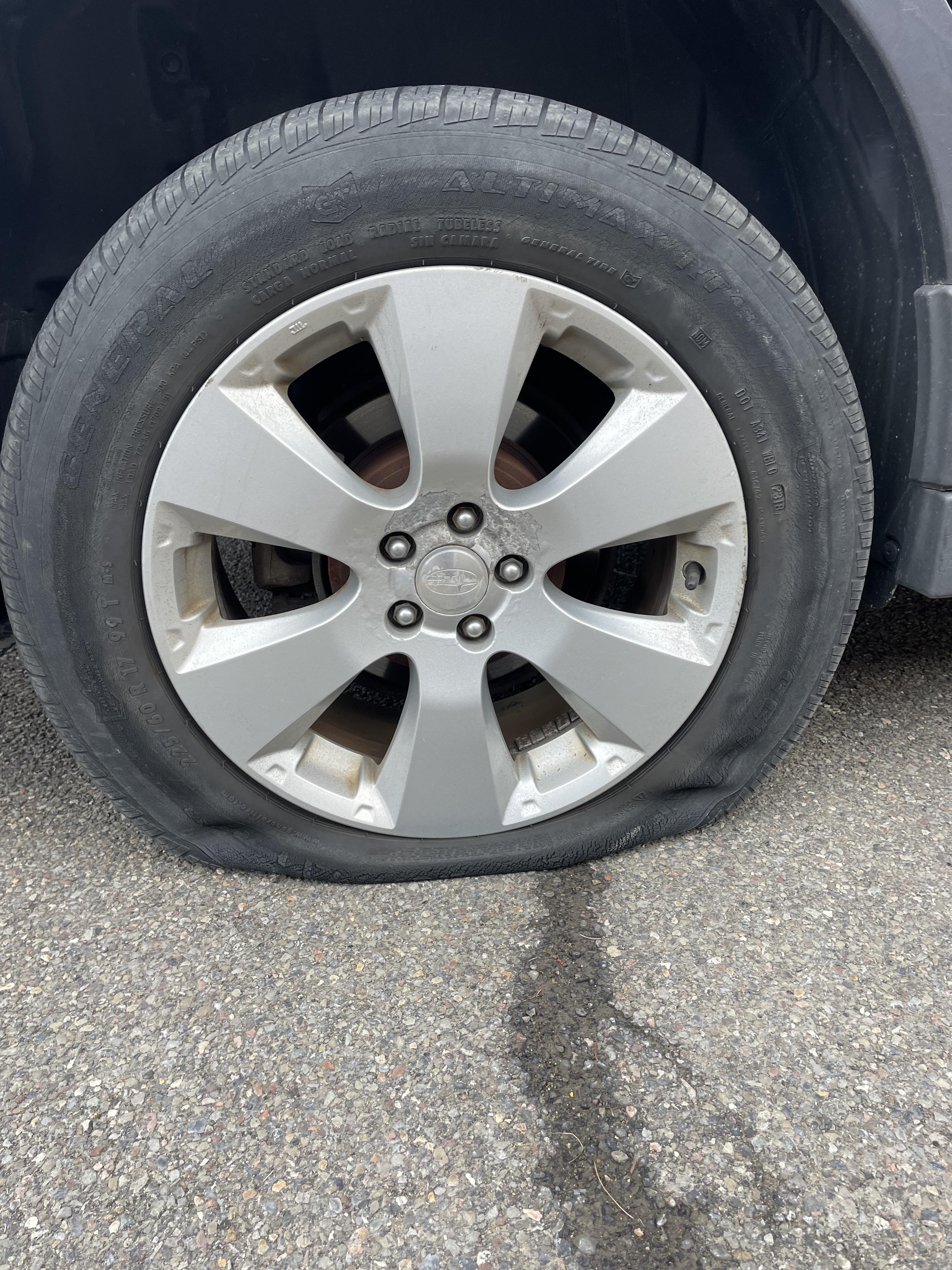

If your tire keeps losing air but there's no nail or puncture, the problem may actually be your wheel. Damage or corrosion can prevent the tire from sealing properly, causing a slow leak that becomes a recurring frustration.
Common Causes
Hairline Wheel Cracks
Small cracks in the wheel can allow air to escape slowly. These cracks are often difficult to see without a close inspection.
Bent Bead Seat
The bead seat is where the tire seals against the wheel. If it's bent from a pothole or curb impact, air can leak between the tire and the wheel.
Corrosion Around the Rim
Rust on steel wheels or corrosion on aluminum wheels can break the airtight seal, leading to gradual air loss.
Damaged Valve Stem
A cracked or worn valve stem can also be the source of a slow leak and is often overlooked during a visual inspection.
When Should You Have It Inspected?
If you're adding air to the same tire repeatedly, don't ignore it. A professional inspection can determine whether the issue is the tire, valve stem, or the wheel itself. Identifying the cause early can help prevent further damage and keep your vehicle safe on the road.
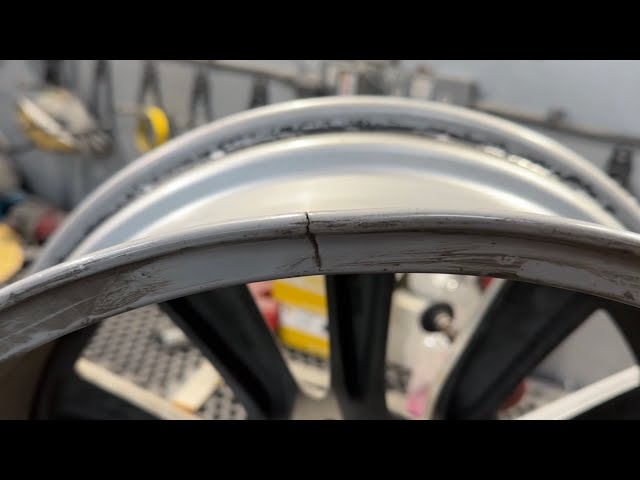
Driving on a cracked wheel is never recommended. Even a small crack can weaken the wheel, cause air loss, affect handling, and become worse over time. What starts as a minor issue can quickly turn into a serious safety hazard.
Hairline Crack vs. Major Crack
Hairline cracks may only cause a slow air leak, while larger cracks can significantly weaken the wheel and increase the risk of failure, especially after hitting potholes or curbs.
When Should You Replace It?
A cracked wheel should be replaced if:
- The crack is growing or there are multiple cracks.
- The wheel won't hold air.
- The crack is near the spokes or hub.
- A professional determines the wheel is unsafe.
When in doubt, don't take chances. Contact our team or text a photo to 951-RimText (951-746-8398). We'll help identify the damage and recommend the safest OEM replacement wheel for your vehicle.
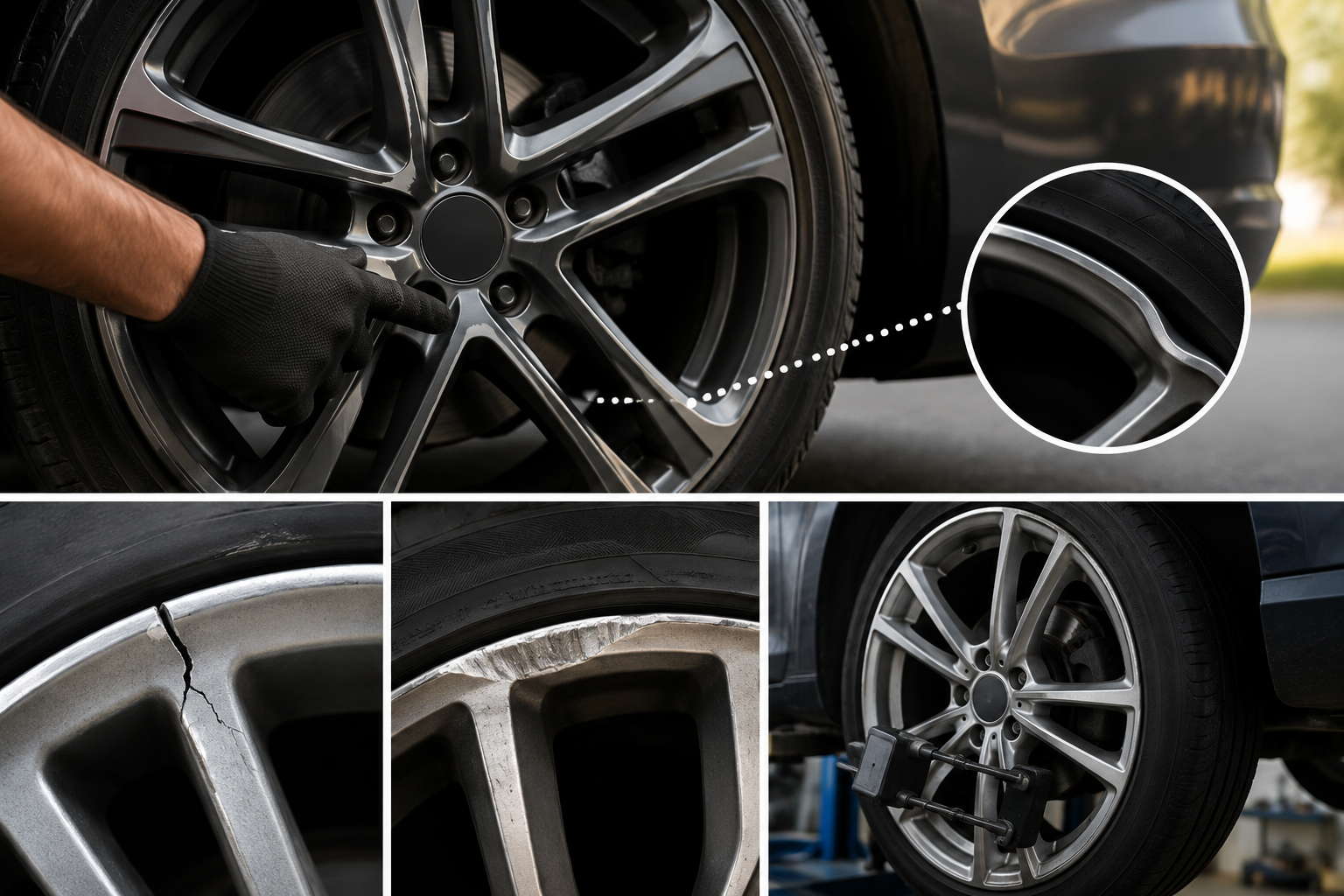
A bent or cracked wheel isn't always obvious, but even minor damage can affect your vehicle's safety, handling, and tire life. Common warning signs include steering wheel vibration, uneven tire wear, slow air leaks, or visible cracks and bends after hitting a pothole or curb.
While some minor bends may be repairable, not every damaged wheel can or should be repaired. Cracks and severe structural damage often require replacement to ensure your vehicle performs safely and as the manufacturer intended.
Knowing the difference can save you time, money, and prevent more costly repairs down the road. At 1-800EveryRim OEM Wheels, we're here to help you identify wheel damage and find the right factory original OEM replacement when safety matters most.
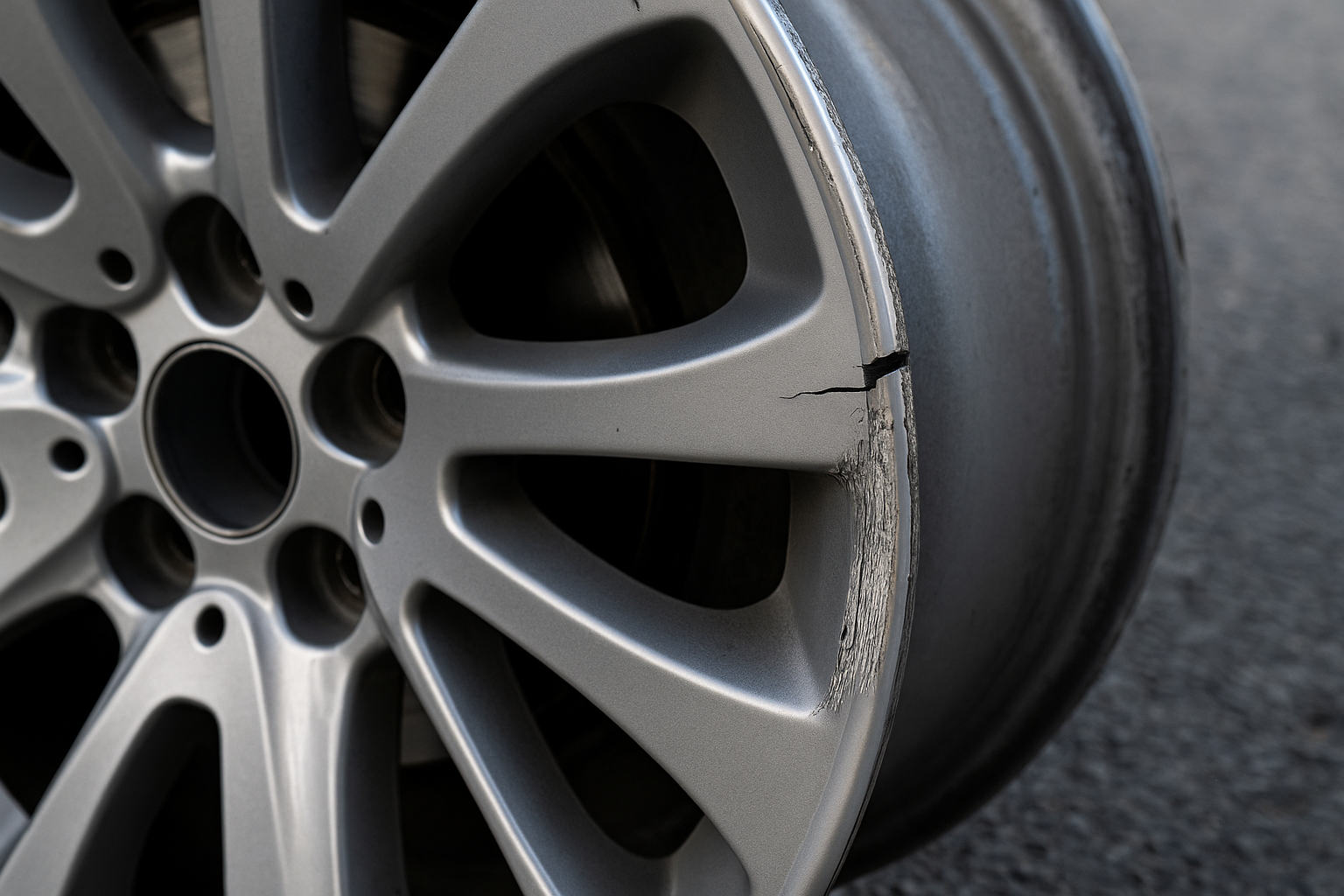
Bent, cracked, or scuffed wheels are more common than most drivers realize, but not every wheel problem calls for the same solution. Here’s how to know when a repair makes sense — and when replacement is the smarter, safer choice.
When a Wheel Can Be Repaired
- Curb rash and surface scratches: Cosmetic issues can usually be refinished or powder coated.
- Small bends on the inner lip: If the structure is still sound, reconditioning can bring the wheel back into round.
- Minor corrosion: Light rust or oxidation can often be cleaned and refinished.
When Replacement Is the Only Safe Option
- Cracks in the barrel or spokes: These compromise strength and can’t be trusted, even if welded.
- Severe bends or flat spots: If the wheel won’t balance correctly, it’s not safe to drive.
- Structural damage from impact: Hard hits (potholes, accidents) can weaken the wheel beyond repair.
Bottom Line
Repairs are great for cosmetic or light damage, but once the integrity of the wheel is in question, replacement is the safest path. Knowing the difference can save you money while keeping your vehicle safe on the road.

We take pride in inspecting every wheel thoroughly before adding it to our vast inventory. During the inspection, we check the lug hole, top lip, bead, barrel, bottom lip, bead, and look for any center bends to ensure each wheel is straight and safe to get back on the road.
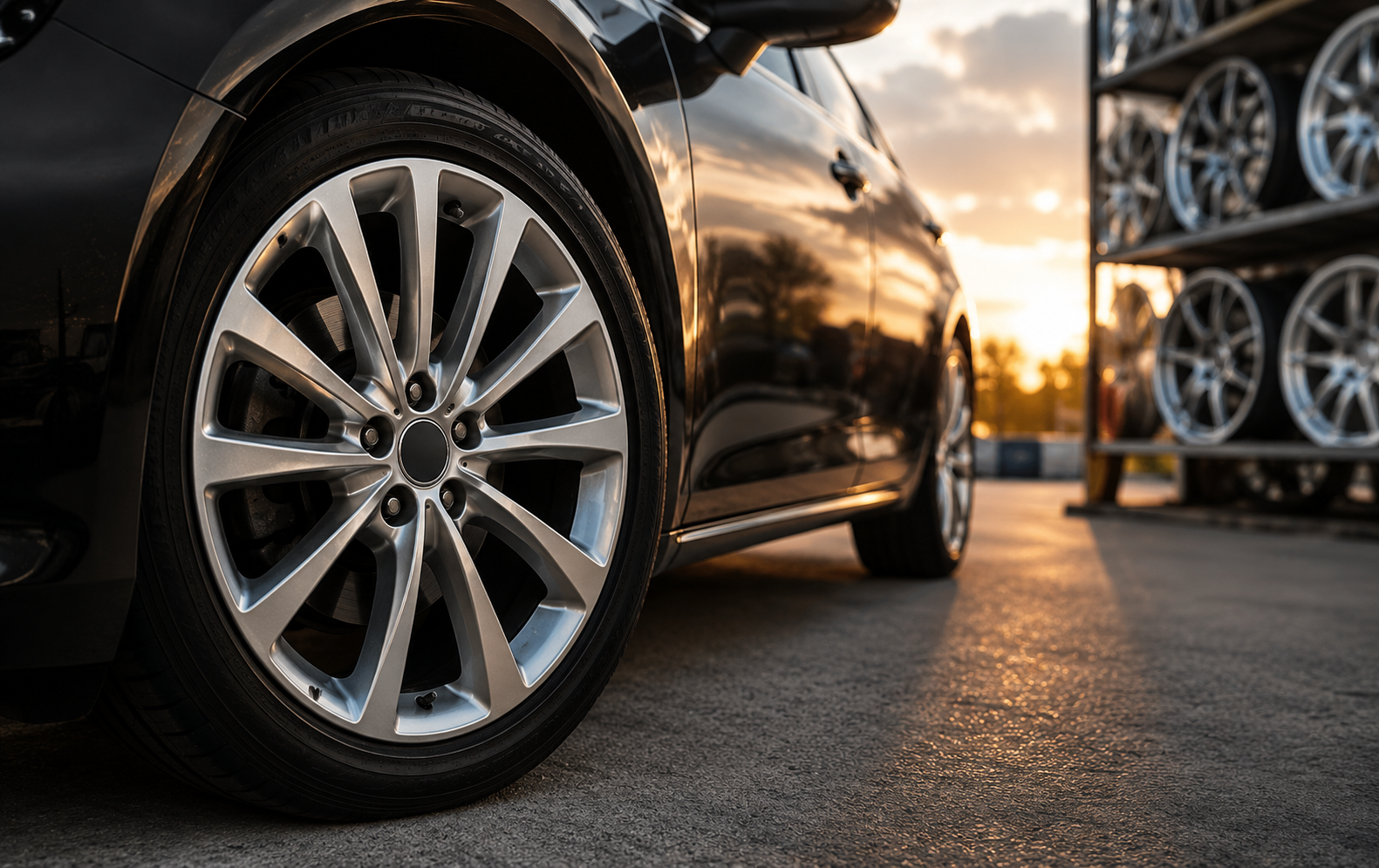
Factory original OEM wheels are designed specifically for your vehicle, helping maintain its appearance, performance, and proper fitment. Unlike many aftermarket options, OEM wheels preserve the factory specifications your vehicle was built with.
Keeping OEM wheels can also improve resale and trade-in value. Buyers, dealerships, and insurance companies often prefer vehicles equipped with original factory wheels because they help retain authenticity and manufacturer standards.
That's why we pay top dollar for quality OEM take-off wheels. Their demand, proven reliability, and continued value make them a smart investment for both buyers and sellers.
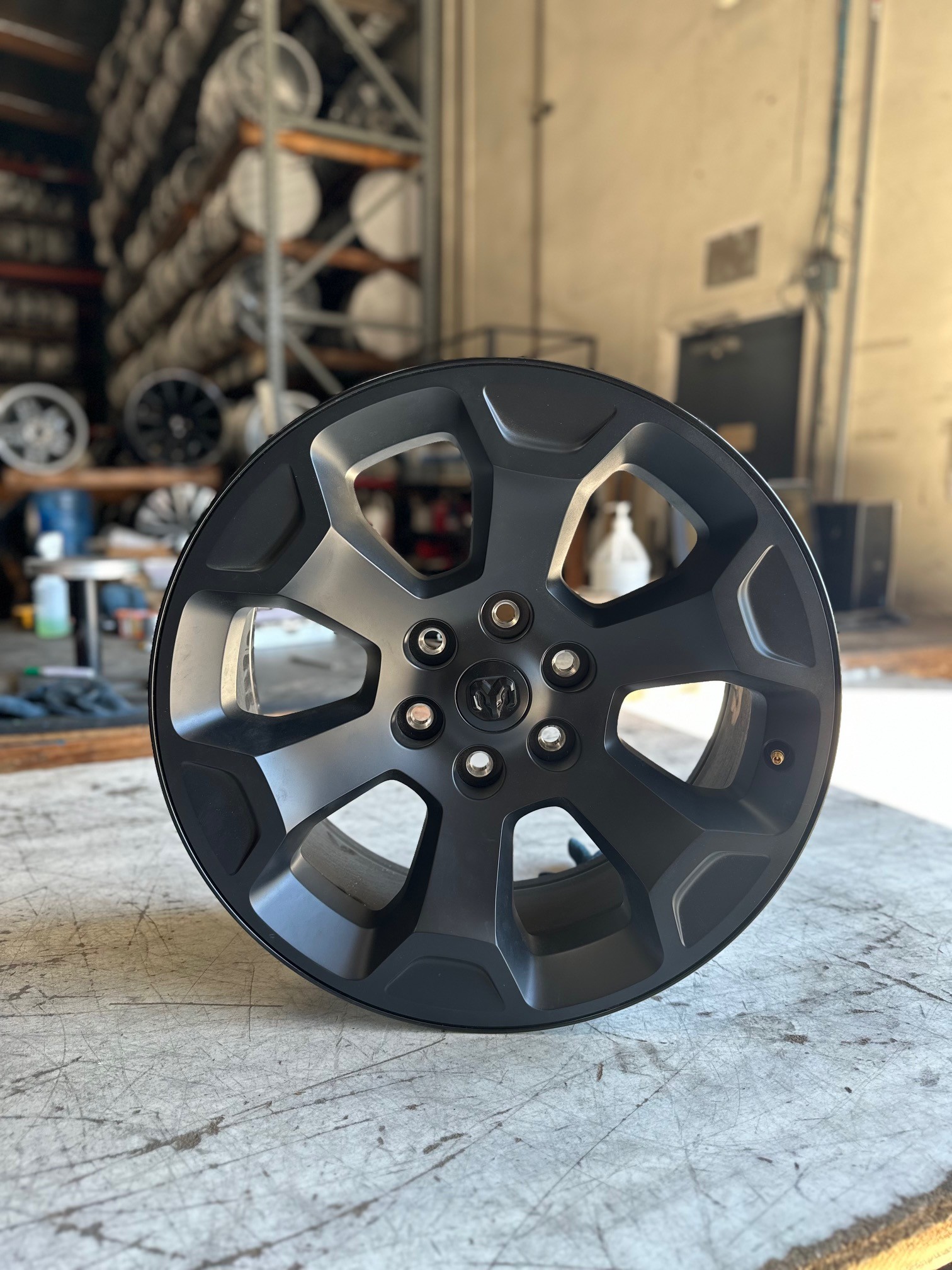
When shopping for replacement wheels, it’s easy to get confused between OEM (Original Equipment Manufacturer) wheels and replica wheels. At first glance, replicas may look nearly identical to the wheels your car came with from the factory — but the differences run deeper than appearance.
What Are OEM Wheels?
OEM wheels are built by the same manufacturer that supplied your vehicle’s factory wheels. They meet strict standards for fit, strength, and safety, ensuring a perfect match for your car.
What Are Replica Wheels?
Replica wheels are aftermarket copies designed to resemble OEM wheels. While often less expensive, they may not meet the same testing standards for durability, load rating, or crash safety. Small variations in dimensions can also cause vibration issues, poor fit, or accelerated tire wear.
Why It Matters?
• Safety: OEM wheels are engineered for your car’s weight and performance.
• Longevity: Replicas may look good initially, but can bend or crack more easily.
• Resale Value: Cars with OEM wheels tend to retain value better.
Bottom line: If you want guaranteed fit and reliability, stick with OEM. Replicas can be tempting for price and style, but they’re a compromise in quality.

One commonly asked question by car owners is what's better, steel or alloy? Here’s a breakdown of their key differences:
Weight
Style
Maintenance
Pricing
• Choose steel wheels for durability, affordability, and winter conditions.
• Choose alloy wheels for performance, aesthetics, and a smoother ride.

Need to find your OEM wheel size? Here are two simple ways to check:
Look on the Backside of the Wheel
To determine the size of your OEM wheels, check the backside of the wheel. Original wheels typically have the make, country of origin, OEM number, and size imprinted on the spokes. For steel wheels, the size may be on the front (e.g., “18x7 1⁄2 ” where 18 is the diameter and 7 1⁄2 is the width).Look at the backside of the wheel.

Check the tire
To find your wheel size, look for markings like “265/50R16” on the tire. The "R16" indicates a 16-inch diameter, and the "R" is the construction type. Some tires may use millimeters for diameter. To measure, check the diameter across the wheel face between the rim lips. If you're unsure, 1-8000EveryRim OEM Wheels can help with identifying your wheel size.


A used OEM wheel can be a smart, budget-friendly alternative to a reconditioned or new take-off wheel especially for older vehicles.
At StockWheels.com, we offer:
• Carefully Inspected Used Rims – A great option for cost-conscious buyers.
• Significant Savings – Used wheels cost less than reconditioned or new take-offs.
• Blends with Older Cars – Avoid a mismatched, shiny new wheel.
• 12-Tier Grading Scale – Choose from a range of conditions, from like-new to well-worn. (link to grading scale page)
If you need a functional replacement without the extra cost, a quality used OEM wheel might be your best choice!
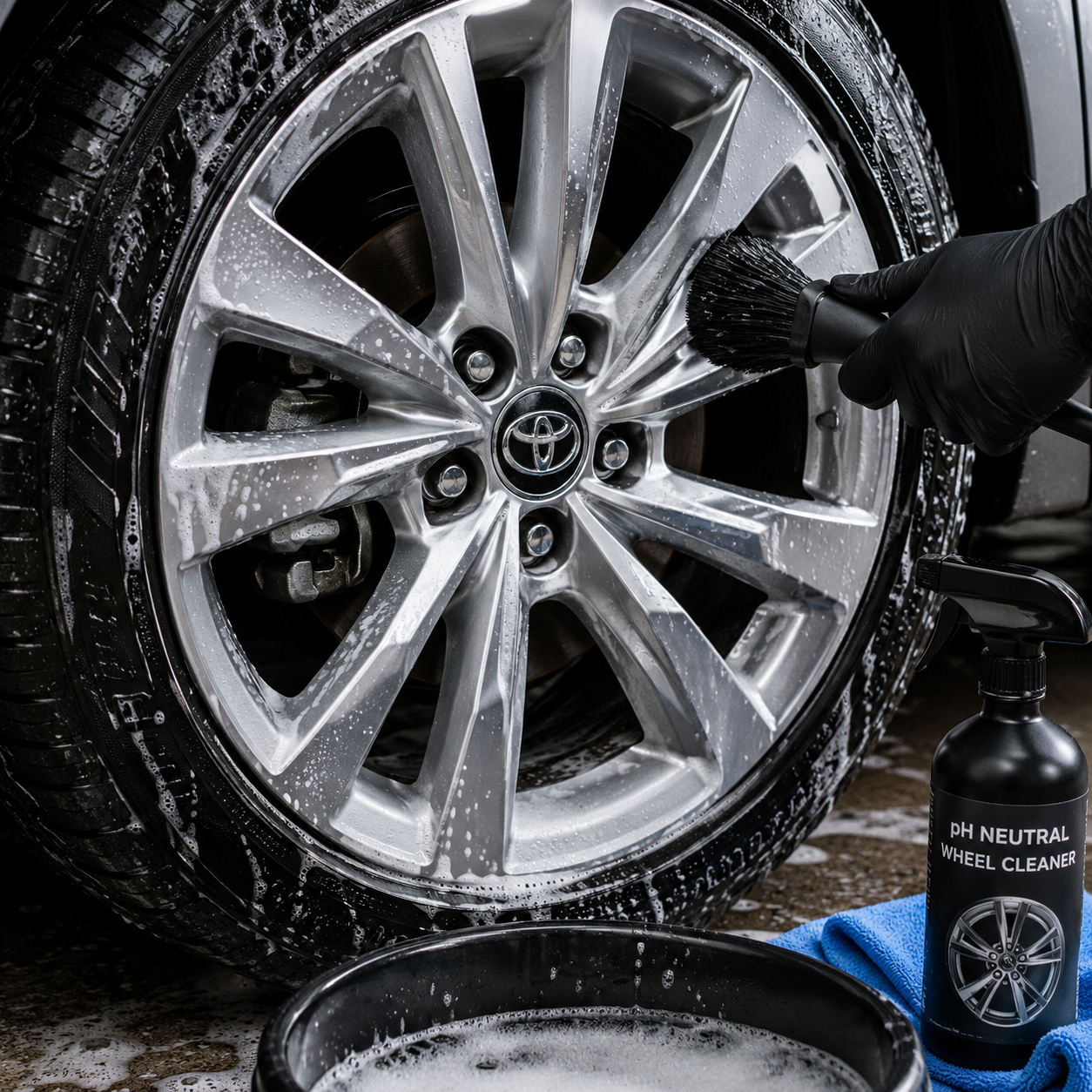
Keeping your OEM wheels clean not only improves their appearance but also helps protect the factory finish from long-term damage. Brake dust, road salt, and grime can build up over time, making cleaning more difficult if left untreated.
For the best results, use a pH-neutral wheel cleaner, a soft brush, and a microfiber towel. Avoid harsh chemicals, steel wool, or abrasive pads, as they can scratch or dull the original finish. Cleaning your wheels regularly and applying a quality wheel sealant can make future cleaning easier while helping preserve their appearance for years to come.
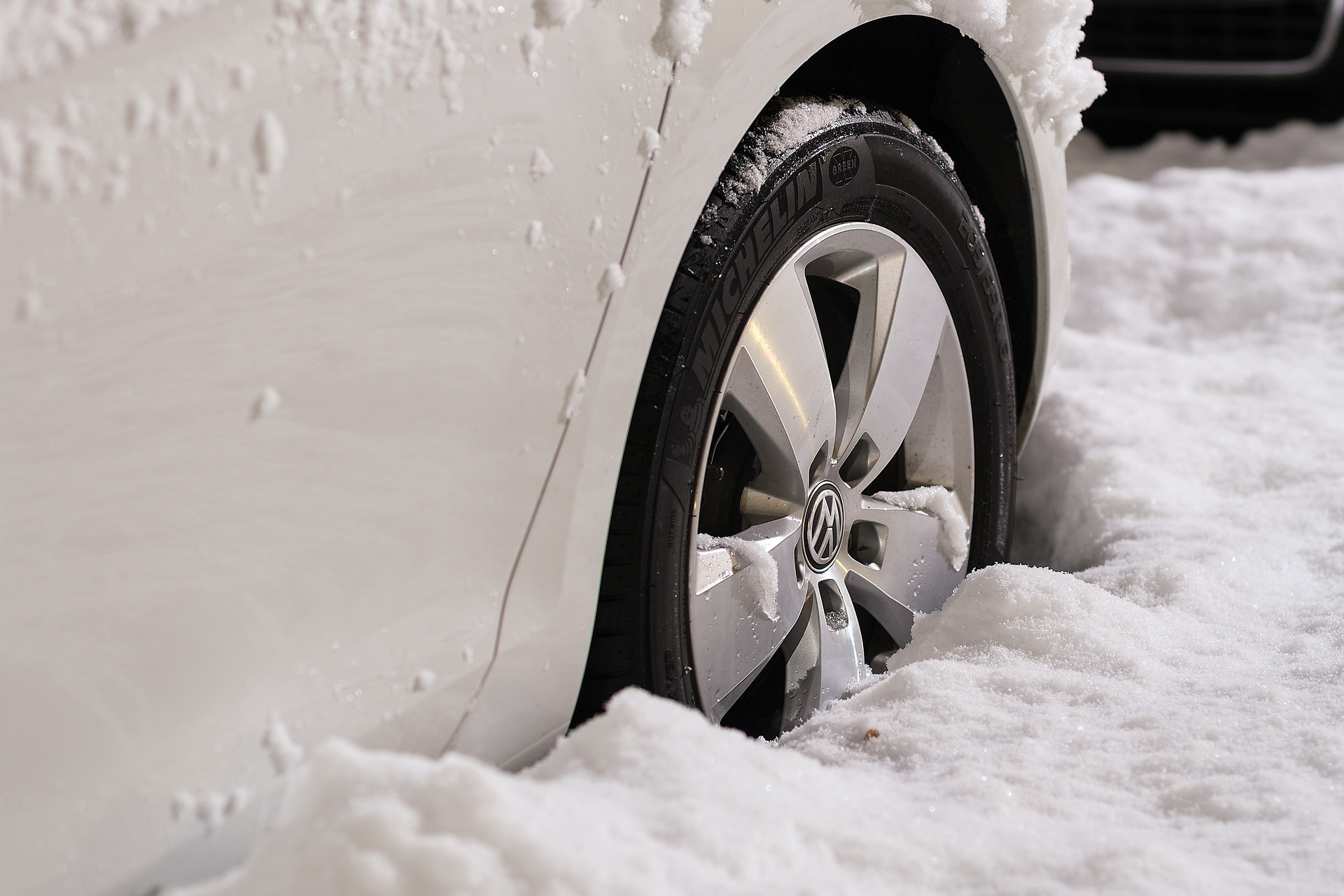
Using the right rims for winter tires can improve traction, durability, and safety in harsh conditions. Here’s how steel and alloy wheels compare:
Steel Wheels
Alloy Wheels
Adjusting Tire Size

Install an Alarm System
A loud alarm can deter thieves and alert others nearby.
Increase Neighborhood Awareness
Strong community ties mean more eyes watching for suspicious activity.
Park Smart
Use a garage or park in well-lit, high-traffic areas with security cameras.
Turn Your Wheels
Angling the front wheels makes it harder for thieves to remove them.
Park Close to the Curb
Limits space for a jack-lift, making theft more difficult. Avoid scraping your wheels.
Use Multiple Locking Mechanisms
Wheel locks or multiple security devices add extra layers of protection.
Have a Backup Plan
If theft occurs, having a spare wheel can get you back on the road faster.

Many stock OEM wheels can be reconditioned to restore their original look and performance. The process typically includes:
• Inspection: Check for cracks or bends.
• Cleaning: Remove dirt and grime.
• Repairing: Fix scratches, chips, or dents.
• Refinishing: Sand, polish, and repaint or powder-coat.
• Rebalancing: Ensure smooth performance.
If you're unsure, consider contacting one of our experts at (800) 224-1208.
Should You Repair or Replace?
Curb Rash
Corrosion
Bent Rim
Cracked Rim
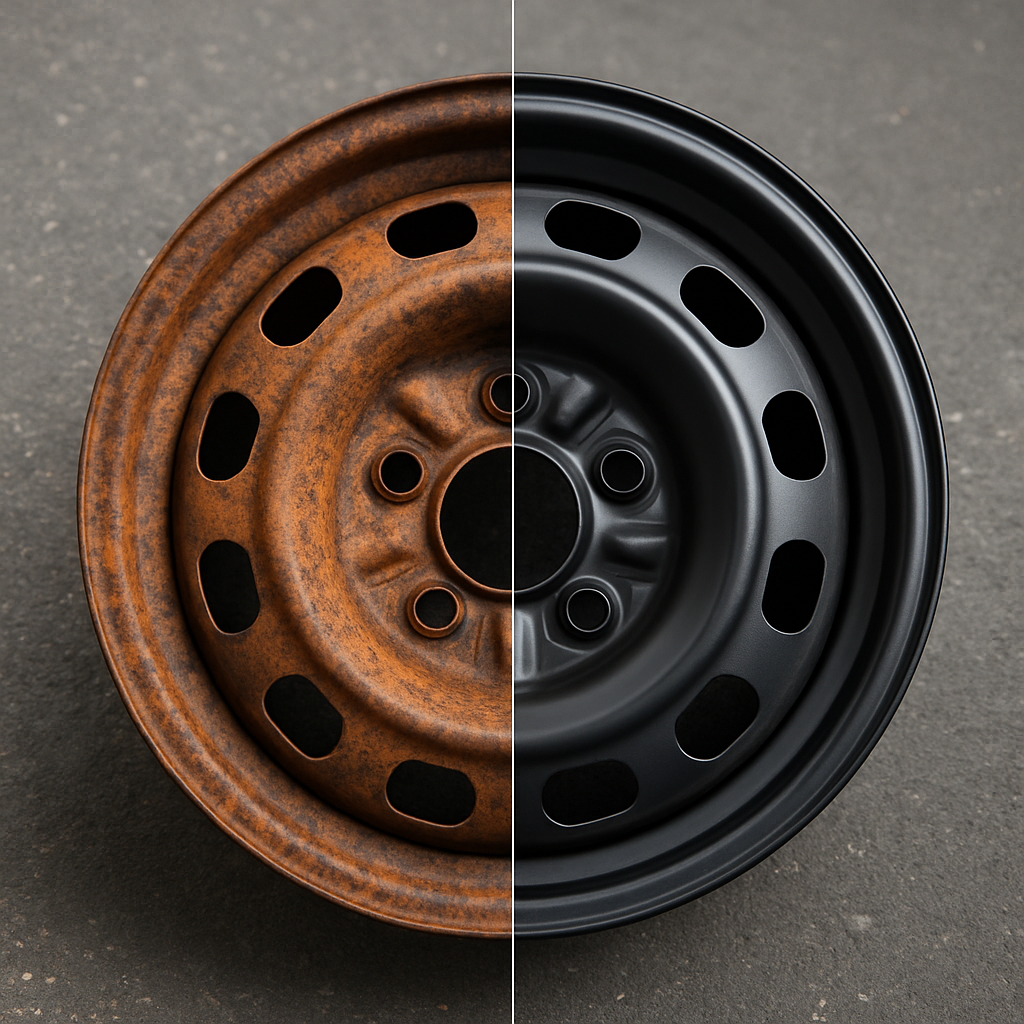
Handling Rust on Steel Wheels:
• Clean the Wheels – Use soap, water, and a stiff brush to remove dirt and loose rust.
• Use a Rust Remover – Apply a rust dissolver or use a wire brush to scrub off the corrosion.
• Sand & Prime – Sand the affected areas, apply a rust-inhibiting primer, and repaint for protection.
• Apply a Protective Coating – Use a sealant or wheel wax to prevent future rust.
When to Replace Steel Wheels:
• If the rust is deep and compromises the wheel’s structure.
• If there are cracks, bends, or excessive pitting beyond surface rust.
• If the wheel leaks air or affects tire balance and performance.
• If the rust has weakened the lug nut area, making it unsafe.
• If in doubt, contact our experts to inspect the wheels to determine if they are still safe to use. Text a pic of the wheel to 951-RimText (951-746-8398).
.png)
Front View
Lug Hole – Openings around the center bore where the wheel bolts or lug nuts secure the wheel to the hub.
Center Cap – A removable cover that snaps into the center bore, often branded (like the Audi logo here).
Top Lip – The edge of the rim that helps hold the tire in place and protects the bead seat.
Spoke – The arms that connect the center of the wheel to the outer rim, adding strength and style.
Valve Stem Hole – The small opening where the valve stem is installed, allowing air to be added or released.
Side View
Center Bead / Bead Seat – The bead seat is the flat ledge inside the rim where the tire bead rests to form an airtight seal and keep the tire secure.
Rear View
Barrel – The cylindrical section of the wheel that supports the tire.
Center Bore – The middle hole from the back view, aligning with the vehicle hub.
Inner Lip – The inside edge of the rim that works with the bead seat to keep the tire secured.

Steel rims are a durable and cost-effective option for many vehicles, offering practical benefits but also some trade-offs. Here's a breakdown of their pros and cons to help you decide if they're the right choice for your needs.
Weight
Cost
Durability
Appearance
Maintenance
Best Use Case
Additional Insights:
• Great for Spares: Affordable option for backup wheels.
• Reconditioning Possible: Can be refinished for extended use.
• Customizable: Paint or hubcaps can enhance their look.

It is important to consider the advantages and disadvantages of buying alloy wheels to make an informed decision based on your vehicle's needs, driving conditions, and budget. While alloy wheels offer performance benefits and aesthetic appeal, truth is, they can be more expensive, less durable, and prone to corrosion, especially in harsh environments.
Advantages
Lighter Weight: Reduces fuel usage, engine strain, and allows for quicker acceleration and easier turning.
Aesthetically Pleasing: Alloy wheels offer more intricate and attractive designs than steel wheels.
Variety of Finishes: Available in a range of finishes like silver, chrome, black chrome, and more.
Improved Performance: Lighter weight improves overall car performance and fuel efficiency.
Disadvantages
Less Durable: More prone to bending, cracking, and scratching compared to steel rims.
Prone to Corrosion: Can corrode in wet, salty environments, such as winter or coastal areas.
High Cost: Aluminum alloy is expensive due to its materials and production process.
Requires Maintenance: Needs regular care, especially in salt air or snowy climates.

How to Keep OEM Wheels Looking New
Wash wheels weekly and apply sealant or wax monthly. Use non-abrasive sponges to avoid scratching. Consider polishing for machined or polished finishes.
Chrome Finishes Explained
Chrome-clad wheels have a plastic chrome hubcap attached to the wheel, which is less expensive but can't be repaired if damaged. Chrome wheels are traditionally plated and more expensive to repair.
Staggered Wheels
Staggered wheels have different sizes for the front and rear of the vehicle, typically used in rear-wheel-drive cars for better grip and performance.
Polished vs. Chrome
Polished wheels are aluminum wheels polished to a shine, while chrome wheels are plated with chrome. Chrome wheels are heavier and require more maintenance to prevent corrosion.
What's the finish on my stock wheel? Sparkle silver or hyper silver?
Stock original wheels come in various finishes, including sparkle silver and hyper silver. Hyper silver typically has a lighter base coat and no metallic flakes, while sparkle silver contains metallic flakes for added shine.
.webp)
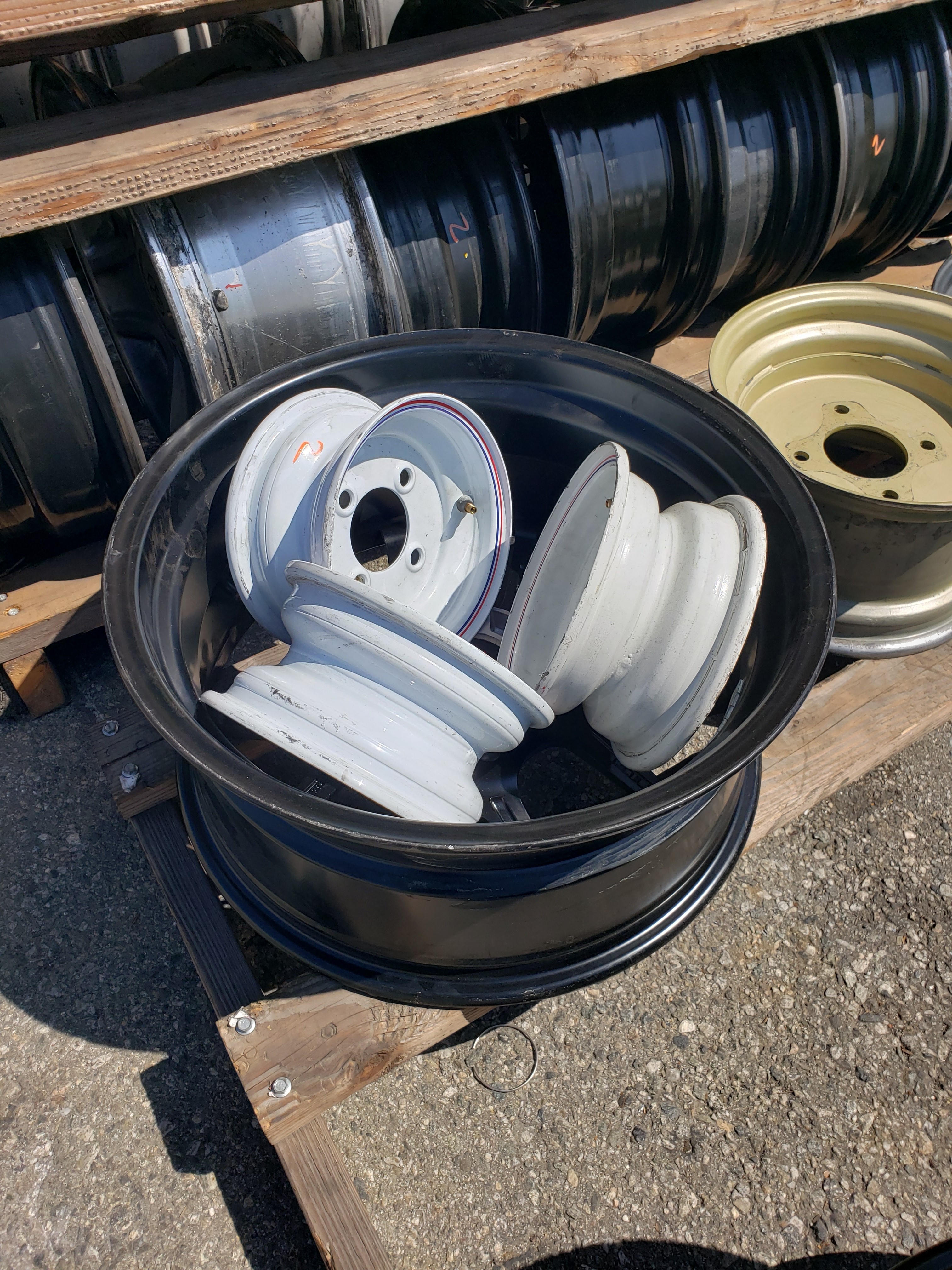
Knowing exactly which OEM wheel you have helps ensure you receive an accurate quote. Start by locating your vehicle's year, make, and model, then check the back of the wheel for the OEM part number or size specifications. Clear photos of the front and back of the wheel are also helpful.
If you're unable to find the part number, don't worry. Simply send us a few photos of the wheel along with your vehicle information, and our experts can identify it for you and provide a fast, no-obligation offer.
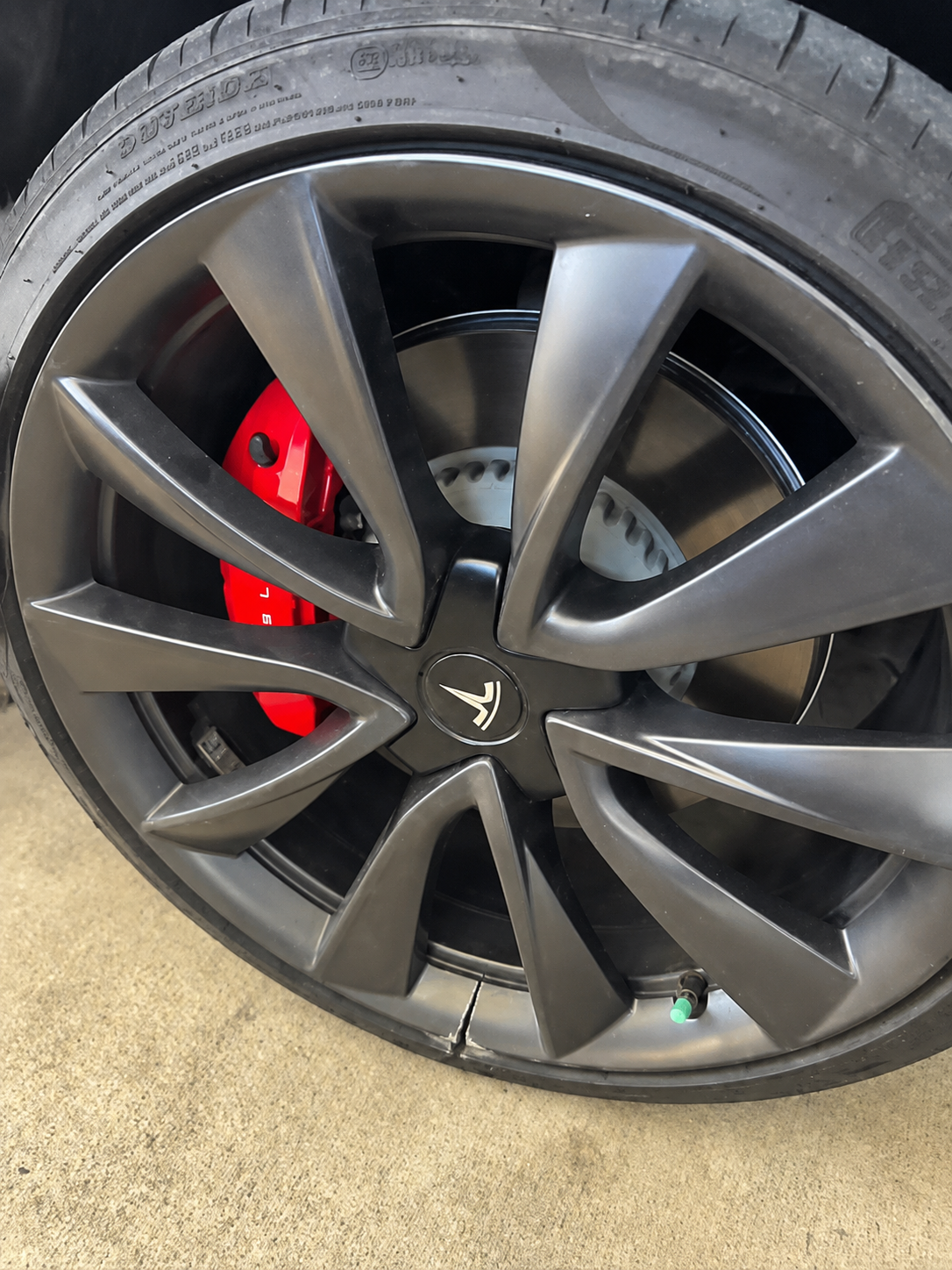
When evaluating OEM wheels, we consider their overall condition, originality, and whether they can be safely reused. Cosmetic imperfections like minor scratches or curb rash are often acceptable, but severe bends, cracks, or structural damage may affect the wheel's value.
To receive the most accurate offer, send us clear photos of the front and back of the wheel, along with your vehicle's year, make, and model. Our team will review the information and provide a fast, no-obligation quote for your OEM wheels.
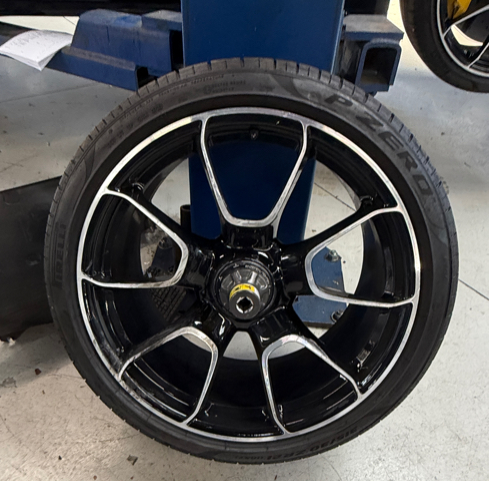
The value of your OEM wheels depends on several factors, including their condition, vehicle make and model, size, and current market demand. Factory original wheels are often worth more than aftermarket wheels because they are designed specifically for your vehicle and are preferred by dealerships, body shops, and vehicle owners.
Even if your wheels have minor scratches or curb rash, they may still have value. If you're unsure what they're worth, send us a few photos along with your vehicle's year, make, and model. Our team can quickly evaluate your OEM wheels and provide a fair, no-obligation offer.

If you're looking to sell your factory rims and used wheels, we have you covered.

We make it easy with:
• RimText System: A simple and fast way to get a quote. Just snap a photo of your wheel and text it to 951-RimText (951-746-8398) with the word “selling.” You’ll get a quote in minutes!
• Knowledgeable OEM Wheel Experts: Their team knows exactly what your wheels are worth, so you don’t have to worry about identifying them.
• Wheel Dealer Program: If you're a dealer, use EveryRim.com to both purchase stock wheels and sell take-off wheels. Simply search by part number, make, model, or year, and request a quote on your take- offs.
Note: We only accept factory original wheels, so aftermarket rims aren’t part of the deal. If you're ready to part with your rims, this could be an easy way to turn them into cash!

Look at the Dashboard
Stand outside on the driver’s side and check the corner of the dashboard where it meets the windshield.
Check the Door Frame
Open the driver’s side door and find a sticker near the latch on the door frame.
Check Your Documents
Look at your vehicle registration or the sticker on the window for the VIN.
Why Your VIN or Production Date Matters for OEM Wheels
• Perfect Fit: OEM wheels vary by year—your production date ensures the right bolt pattern, offset, and size.
• Model Changes: Even the same car model can have different wheels across years. Avoid mismatches!
• Exact Replacements: Your VIN helps you get the correct factory wheel for a seamless match.
• Resale Value: Keeping OEM wheels maintains your car’s original look and worth.
Know your VIN, get the right wheels, and roll with confidence!